Commissioni sulle criptovalute: una soluzione alla crescita irragionevole dello stato
9 luglio 2021
Questo articolo è una continuazione e un riassunto di "Un approccio sistematico alle commissioni sulle criptovalute" (di seguito denominato il documento) di Alex (Kushti) Chepurnoy, Vasily Kharin e Dmitry Meshkov. Nel documento, gli autori affrontano il problema dell'utilizzo delle risorse di archiviazione. C'è preoccupazione che una volta creato un elemento dello stato, esso esista per sempre e gonfi inevitabilmente lo spazio su disco dei nodi. Questo porterà a una crescita irragionevole dello stato della blockchain.
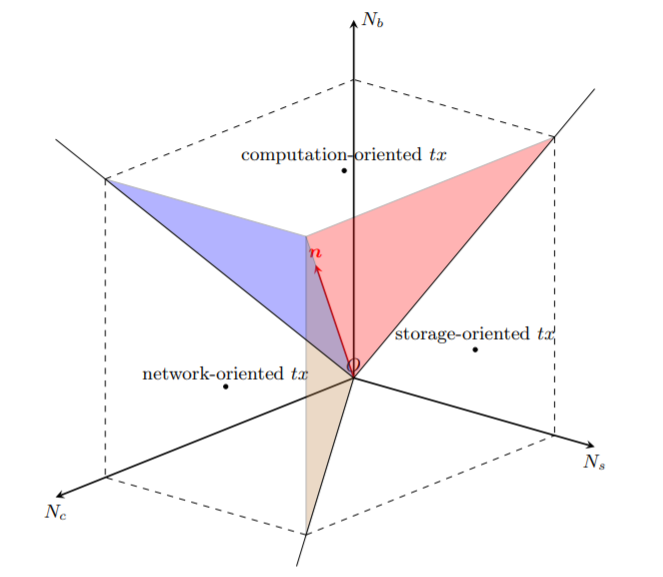
Mentre le criptovalute affrontano le commissioni di transazione come un concetto atomico, il documento suggerisce che sia ragionevole tenerne conto su una scala tridimensionale.
Costi della Blockchain
La tecnologia blockchain Proof of Work si basa sui miner per garantire l'integrità della blockchain. Le risorse dei miner, come memoria ed elettricità, sono costose e quindi è necessario un schema di entrate per incentivare i miner. Gli incentivi per i miner sono attualmente composti dalle ricompense per blocco e dalle commissioni di transazione. Le commissioni di transazione sono un componente importante per prevenire attacchi di spam che esauriscono le risorse dei miner.
Oltre all'utilizzo della rete, l'elaborazione delle transazioni richiede che un miner spenda risorse per mantenere tutti i dati originali della blockchain. Nel caso di Bitcoin, questo potrebbe essere meno problematico perché non ha ancora implementato la funzionalità dei contratti intelligenti. Tuttavia, le criptovalute che supportano linguaggi di contratto intelligente come Solidity (Ethereum) potrebbero richiedere molti calcoli e i costi corrispondenti saranno inclusi nella commissione di transazione.
La scala tridimensionale mostrata sopra si basa sul carico orientato all'archiviazione, sul carico computazionale e sul carico di rete.
- Il carico orientato all'archiviazione si riferisce al costo aggiuntivo di archiviazione dei dati vecchi nella blockchain.
- Il carico computazionale è creato dall'esecuzione di contratti intelligenti.
- Il carico di rete è tutte le transazioni che non esistono nel blocco attuale ma saranno aggiunte al blocco successivo.
In Ergo, la dimensione totale dello stato è la somma delle dimensioni di tutti gli UTXO. Vale a dire che questi dati contengono l'esecuzione di contratti intelligenti, tutte le transazioni e le informazioni nodali. Poiché le risorse di memoria fornite dai miner sono limitate, una commissione per il deterioramento dello stato dovrebbe essere aggiunta ai flussi di entrate dei miner per incoraggiare la diminuzione del carico del sistema garantendo al contempo il contributo futuro dei miner.
Affitto di Archiviazione
La crescita irragionevole dello stato è un problema economico e può portare ad attacchi di spam e congestione della rete. Un altro problema potrebbe essere la deflazione di una criptovaluta se le monete vengono perse e/o dimenticate. Quindi, invece di essere utilizzata come base per i contratti intelligenti, la valuta diventa irragionevolmente scarsa, rendendo il sistema pesante e limitando il flusso di monete.
Questo porta a uno stato in costante aumento (ad es. la dimensione totale degli UTXO di Bitcoin) e lo stato potrebbe crescere più rapidamente durante gli attacchi di spam. Ad esempio, 15 milioni di output sono stati creati durante attacchi di spam contro Bitcoin nel luglio 2015. Un attacco a Ethereum ha creato 18 milioni di nuovi account aggiunti allo stato - che in precedenza conteneva solo 1 milione - e ha effettuato attacchi di "negazione del servizio" contro i nodi.
Per affrontare il problema della crescita irragionevole dello stato, il documento propone una commissione di "affitto di archiviazione". L'affitto di archiviazione è una commissione programmata che si basa sulla continuazione di ciascun UTXO creato nella blockchain. Questo è realizzato attraverso l'uso di pagamenti programmati, che elimineranno i byte non utilizzati dopo un certo periodo di tempo.
Inoltre, l'uso delle blockchain come archiviazione cloud sta guadagnando attrazione, quindi memorizzare permanentemente oggetti nello stato senza una qualche forma di procedura di ricircolazione dei dati vecchi non è un'opzione plausibile.
Ai fini della ricerca e di questo articolo, vale la pena notare che il concetto di affitto di archiviazione è stato proposto anche nel 2014 da Freicoin:
"La demurrage costringe i freicoins a circolare a tassi deliberatamente elevati. La separazione dei ruoli del denaro come riserva di valore e mezzo di scambio consente al denaro di fluire quando è necessario, in tempi buoni e cattivi."
Conclusioni
Una conseguenza importante delle commissioni di archiviazione è che forniscono ricompense aggiuntive (oltre alle ricompense per blocco e transazione) per i miner.
Le commissioni di archiviazione riducono il carico di archiviazione ed eliminano costi extra che potrebbero essere aggiunti durante la crescita irragionevole dello stato.
Le commissioni di archiviazione incoraggiano il flusso di monete e prevengono la deflazione, che può causare illiquidità e congestione di un sistema valutario.
Share post
13 agosto 2025


9 luglio 2025

12 maggio 2025





7 agosto 2022