Privacy della Blockchain
1 maggio 2021
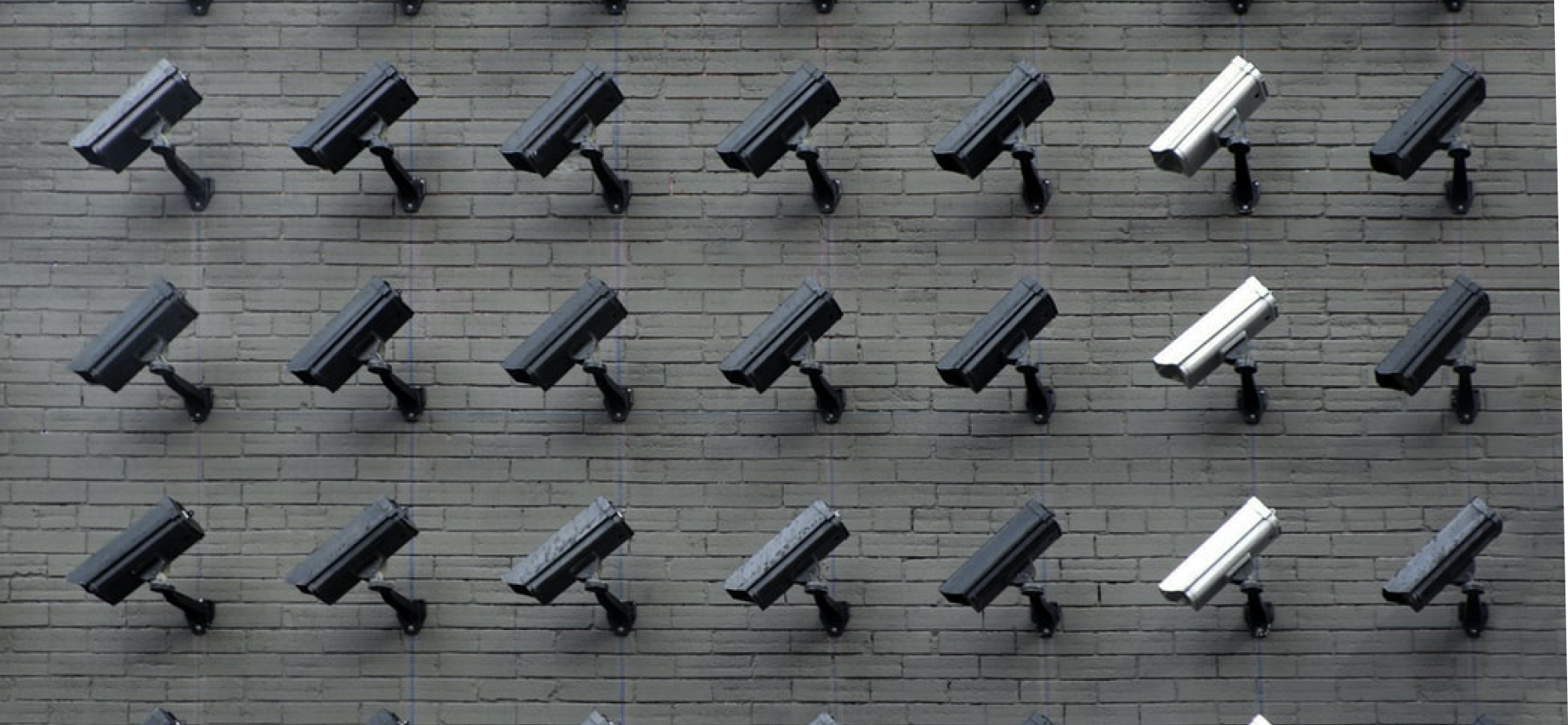
Bitcoin è spesso considerato una valuta anonima utilizzata da criminali e hacker. Anche se questo mito è stato sfatato molte volte, continua a persistere. La verità è che Bitcoin è una criptovaluta pseudonima. Anche se nessun nome o identità reale è legato a indirizzi e transazioni, questi possono essere visualizzati attraverso il libro mastro pubblico che è la blockchain.
Sebbene gli indirizzi del portafoglio alfanumerici non rivelino alcuna informazione privata, ci sono modi in cui questi possono essere collegati a identità del mondo reale, inclusi i broadcaster di transazioni del portafoglio che possono collegare il tuo indirizzo a un IP, e soprattutto i punti di ingresso e uscita fiat.
Blockchain: Un Problema O La Soluzione?
Quando si utilizza un exchange centralizzato per acquistare o vendere criptovalute per fiat, si dovrà passare attraverso un processo KYC (Know Your Customer), che rivelerà la propria identità. In alcuni aspetti, Bitcoin e altre blockchain pubbliche non sono adatte per il riciclaggio di denaro e altre attività illecite. I criminali dovranno comunque passare attraverso aziende regolamentate per incassare fondi illeciti o spenderli per beni del mondo reale.
In breve, Bitcoin è in realtà un'alternativa molto migliore quando si tratta di enforcement contro il riciclaggio di denaro rispetto alla banca privata o al denaro contante. Tanto che, l'ex direttore ad interim della CIA Mitchell Morell ha rivelato che le criptovalute rappresentavano meno dell'1% di tutte le attività finanziarie illecite tra il 2017 e il 2020. In questo rapporto, menziona che le attività illecite con denaro fiat rappresentano un sorprendente 2-4% del PIL degli Stati Uniti.
Privacy e Sicurezza degli Utenti
D'altra parte, la pseudo-anonimato rende gli utenti vulnerabili ad attori malintenzionati. Quando ricevono un pagamento, gli utenti devono condividere il loro indirizzo pubblico del portafoglio, il che espone il portafoglio, la transazione e i fondi all'intero mondo, rendendo gli individui ad alto patrimonio un obiettivo per hacker e criminali.
Un attore spia casuale può monitorare portafogli e transazioni, e può elaborare un piano d'attacco se vengono scoperte eventuali vulnerabilità di sicurezza. Questo diventa ancora più pericoloso quando si considera il potenziale di perdite di dati su exchange o portafogli di terze parti, che possono consentire ad attori nefasti di collegare un portafoglio a un documento d'identità, numero di previdenza sociale e altro.
La natura pubblica e pseudonima della blockchain si presenta come una spada a doppio taglio. Rende gli utenti vulnerabili ad attacchi, perdite e altri problemi. Tradizionalmente, le banche e i governi mantengono i loro registri centralizzati privati, il che significa che ci si deve fidare delle entità sopra menzionate per rimanere oneste e garantire la sicurezza e la liquidità dei fondi.
Denaro Per La Gente
Chiamata all'azione! Come ho detto prima, gli schemi di riciclaggio di denaro esistevano prima di Bitcoin e anche ora occupano fino all'1% dell'uso totale delle criptovalute. Quando i regolatori tengono d'occhio il libro mastro pubblico, con l'aiuto degli exchange KYC, possono comunque sapere cosa stai facendo. In un certo senso, potresti pensare che vada bene perché i governi devono prevenire la circolazione di denaro nero per fermare le attività illegali. Pensiamo che vada bene anche a noi! Tuttavia, fino ad ora, stavano seguendo da vicino i conti bancari personali e l'unica cosa che hanno impedito è stata che gli utenti individuali utilizzassero liberamente i propri fondi. Le grandi aziende possono continuare a eludere la legislazione per evitare le tasse e i cattivi attori utilizzano schemi di riciclaggio di denaro globali per continuare a utilizzare denaro nero. Ciò che fanno i governi è tenere d'occhio i cittadini vedendoli come potenziali riciclatori di denaro. Come suona?
Gli argomenti FUD (Fear, Uncertainty, Doubt) su Bitcoin fatti dai regolatori si basavano principalmente sull'idea di Bitcoin come denaro privato, anonimo, incontrollabile e inarrestabile. Sappiamo che questi casi non sono veri, abbiamo visto che il contante era lo strumento principale per il riciclaggio di denaro e i portafogli blockchain sono tracciabili. Quando prelevi i tuoi soldi sul tuo conto bancario, i governi sanno cosa stavi facendo con il tuo portafoglio non custodito. L'unico caso è quindi che sei in controllo dei tuoi fondi e non stai usando denaro fiat "legale" controllato dalle banche centrali. Questo rende i governi impotenti a livello globale perché non possono dirti cosa dovresti fare con i tuoi fondi o non possono vietare il tuo conto quando notano un'attività inaspettata.
Ciò che rimane è che possono interrogarti su dove hai ottenuto i soldi che hai prelevato sul tuo conto bancario centrale per pagare le bollette e fare acquisti, ecc. Inoltre, non possono vietare il tuo conto, ad esempio, quando non hai pagato i tuoi debiti, ma lasciami chiedere di nuovo: Questi poteri hanno fermato le attività finanziarie illecite o prevenuto i grandi attori dal prendere debiti deliranti e andare in bancarotta? La risposta è no, le attività finanziarie illecite continuano a verificarsi altrove e le istituzioni possono fare affidamento sull'argomento "troppo grandi per fallire" con la speranza di salvataggi quando ne hanno bisogno.
Migliorare la Privacy e l'Anonimato
Per la protezione degli individui, abbiamo catene private o app ‘CoinJoin’ (coinmixer) che rendono i portafogli degli utenti non tracciabili. Come ho detto, questo non significa che un utente possa riciclare denaro perché ogni attività finanziaria on-chain deve terminare con una fase di "integrazione", il che significa prelevare fondi nel mondo reale, off-chain. Se puoi dimostrare che la custodia dei tuoi fondi non è stata coinvolta in alcuna attività finanziaria illecita, non dovresti essere impedito di utilizzare strumenti per migliorare la privacy per proteggerti nel mondo on-chain. Tieni le tue chiavi, tieni le tue monete o in una frase inversa - non le tue chiavi, non le tue monete. Questo include anche i portafogli degli exchange custodiali perché negli exchange centralizzati non è diverso dall'utilizzare una banca. Non sei in crypto se usi solo exchange centralizzati, possono tracciarti, impedirti o, nel peggiore dei casi, possono rubare le tue monete (exit scams).
Ecco perché i protocolli di finanza decentralizzata stanno entrando nella loro era d'oro ora. Non devi rinunciare alla custodia dei tuoi fondi per utilizzare applicazioni finanziarie. Gli exchange decentralizzati stanno diventando più efficienti e le operazioni cross-chain stanno diventando più forti supportando tutta la criptosfera con un unico portafoglio non custodito. I servizi di mixing di monete non si basano su aziende custodiali, stanno lavorando su prove a conoscenza zero. Le applicazioni decentralizzate stanno brillando in un mondo finanziario tradizionalmente controllato e sostenuto dal governo. Una nuova storia è davanti a noi e stiamo solo vedendo la punta dell'iceberg. Il futuro è molto emozionante in questo senso: Bancare i senza banca con applicazioni decentralizzate, dare potere alla gente, drenare i diritti di signoraggio dei governi e prevenire i salvataggi delle istituzioni "troppo grandi per fallire" stampando denaro infinito - o come viene chiamato nella letteratura finanziaria elegante - tramite allentamento quantitativo.
Ergo Blockchain fornisce un servizio di coinjoin non custodito, l'ErgoMixer, come dApp. Protegge fondamentalmente da agenti spia nella sfera blockchain. È perfettamente sicuro con il suo codice open-source in modo da sapere con cosa stai interagendo. Per ulteriori informazioni, Ergo Blockchain è una rete potente e supporta servizi Layer 2 sopra di essa, quindi chiunque può creare catene laterali private per utilizzare la blockchain in modo sicuro. Forniremo ulteriori aggiornamenti sui dettagli esatti di ErgoMixer in seguito e nuovi sviluppi su servizi Layer 2 e dApp focalizzate sulla privacy fioriranno presto con nuovi sviluppatori a bordo.
Ergo Blockchain non è costruita per governi o istituzioni, è costruita per le persone dalla gente.
Share post
13 agosto 2025

9 luglio 2025
12 maggio 2025





7 agosto 2022