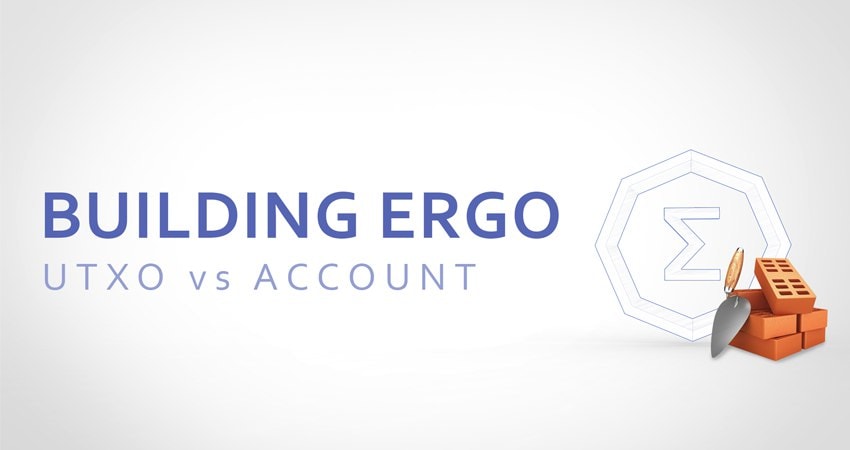
Ergo İnşası: UTXO vs Hesap
3 Mart 2020
Ergo, Bitcoin'in en güvenli ve en iyi kurulmuş özelliklerini alır ve sağlam temelleri üzerinde gelişmiş yeni kriptografik özellikler uygular. Bu seri, Ergo'yu oluştururken yaptığımız seçimleri keşfeder; ilk makale UTXO modelinin avantajlarını ele alır.
Finansal değerle uğraşırken, şans alacak durumda olamazsınız. Bir kripto para platformundaki her mimari kararın sonuçları vardır. Aynı sorunu çözmenin farklı yolları olsa da, bazı çözümler diğerlerinden daha iyi test edilmiştir ve daha güvenilirdir.
Bitcoin gibi, Ergo da Ethereum gibi platformların kullandığı Hesap modelinin yerine 'UTXO' (harcanmamış işlem çıktıları) modelini kullanır. Bu tercihi yapmamızın birçok nedeni var, ancak önce UTXO veya 'Kutu' modelinin nasıl çalıştığı hakkında biraz açıklama yapmakta fayda var.
Çoğu insan, bir hesabın bakiyesinin, para gönderdiğinizde veya aldığınızda güncellenen basit bir sayı olduğunu düşünür. Bu, soruna yaklaşmanın bariz yoludur; sonuçta, gerçek dünyada paranın nasıl çalıştığı budur. Banka hesabınızda, farklı transferler yapıldığında artan veya azalan bir bakiye vardır. Bu, 'Hesap' modelinin nasıl çalıştığıdır: blok zincirindeki bakiyeniz, hesaba yapılan ve hesaptan yapılan işlemlerle değiştirilir.
Ne kadar hamur?
Bitcoin tarafından öncülüğü yapılan UTXO modeli oldukça farklıdır. Bunu, bir kişinin bir dizi hamur parçası tuttuğu gibi düşünebilirsiniz. Onların bakiyesi bu parçaların toplamıdır, yani UTXO'lardır. Parçalar, yeni bir adrese gönderilmeden önce bölünebilir veya birleştirilebilir, ancak her zaman nereden geldiklerini bilirsiniz. Örneğin:
Alice'in 100g hamuru var (100 ERG). 75g'lık bir parça koparıp Bob'a verir, kendisi için 25g 'bozuk' tutar.
Charlie'nin 250g hamuru var. 150g'lık bir parça koparıp Bob'a verir, kendisi için 100g bozuk tutar.
Bob, Charlie'den aldığı 150g'lık parçadan 20g'lık bir parça koparır ve elde ettiği 130g'ı Alice'ten aldığı 75g ile birleştirir. Toplamda 205g'ı Dave'e verir, kendisi için 20g bozuk tutar.
Dave şimdi 205g hamura sahip, bu hamur daha önce Charlie'ye aitti. Charlie'den önce, 75g Alice'e, 130g ise Bob'a aitti.
UTXO modelinde, 'parçalar' birleştirilebilir ve bölünebilir, ancak hamurdan farklı olarak, birbirine karıştırılmazlar. Fonların tarihini, o paraların ilk madenciliğinin yapıldığı coinbase işlemine kadar takip edebilirsiniz. Bu, her hesabın bakiyesinin basitçe değiştirildiği Hesap modelinden çok farklıdır. (Elbette, Hesap'ın ne olması gerektiğini kontrol etmek için blok zincirini kontrol edebilirsiniz, ancak bu UTXO yaklaşımında olduğu gibi zorunlu değildir.)
Neden UTXO?
UXTO modelinin birkaç sonucu vardır. Öncelikle, her nesne değişmezdir – madeni paraların parçaları, bir işlem yapıldığında Hesap bakiyesi gibi 'düzenlenemez'. Bakiye, işlem geçmişinden hesaplanır, o paraların ilk kez var olduğu noktaya kadar.
Bu, güvenliği çok daha basit hale getirir, çünkü ya bir UTXO beklediğiniz biçimde vardır ya da hiç yoktur. Hesap modelinde, uğraştığınız hesabın olması gereken durumda olduğunu dikkatlice kontrol etmeniz gerekir (ve geliştiriciler genellikle bunu doğru yapmaz). Bu, UTXO'ları yan zincirler ve Lightning Network gibi offchain protokoller için daha dostane hale getirir.
Hesaplar 'durumu' saklamayı kolaylaştırır, ancak kolaylık her zaman daha iyi anlamına gelmez. Ergo'nun genişletilmiş UTXO modeli ile durum geçişleri daha belirgindir ve bu nedenle daha temizdir – istenmeyen sürprizler yoktur. Uğraşmak biraz daha zahmetli olabilir, ancak güvenlik açısından çok daha iyi ve daha doğrudur.
Share post
13 Ağustos 2025

9 Temmuz 2025
12 Mayıs 2025