Ergo Vs Outras Plataformas de Blockchain: Qual é a Diferença?
19 de agosto de 2024
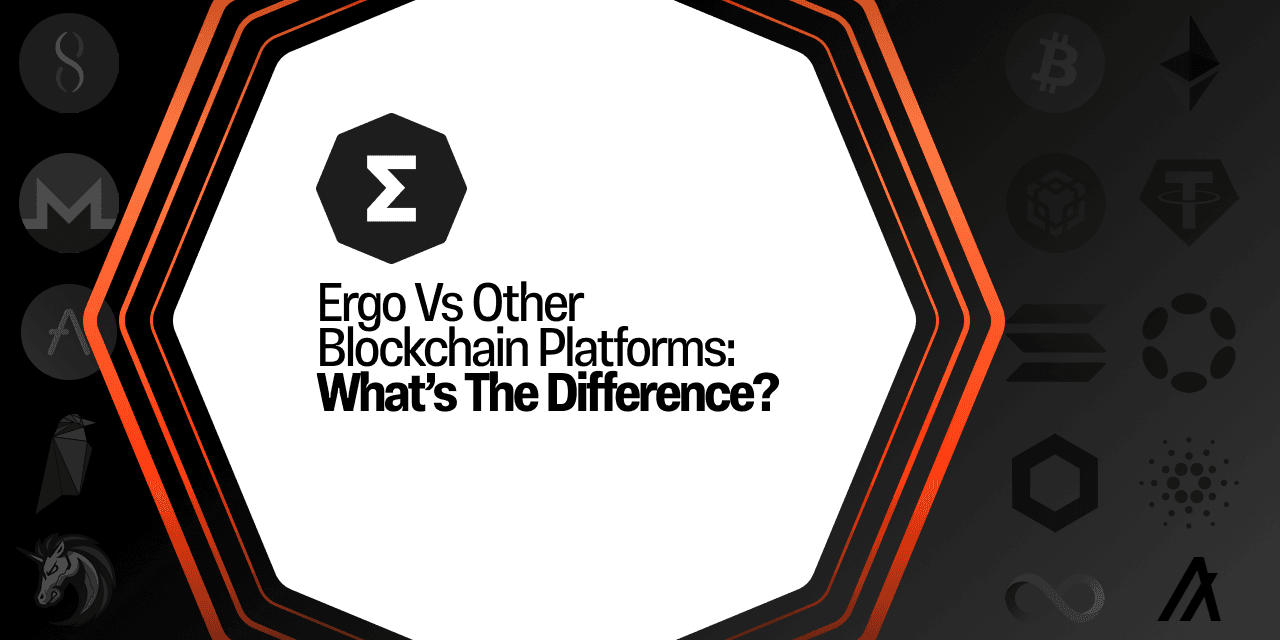
Ergo oferece uma série de recursos únicos que o diferenciam de outras plataformas de blockchain. Neste artigo, vamos comparar Ergo a várias redes populares, pegando uma característica de cada uma – uma escolha de design específica – e destacar como Ergo faz as coisas de maneira diferente.
Compromissos
Vale a pena afirmar que sempre há compromissos na seleção de qualquer tecnologia. Por exemplo, a fibra de carbono é leve e resistente, e, portanto, é amplamente utilizada em carros esportivos de alto desempenho. No entanto, é cara e mais difícil de manter do que a carroceria de aço convencional, que é usada na maioria dos carros comuns. Se a fibra de carbono é a decisão "certa" para um carro, portanto, depende de uma série de fatores.
No contexto de blockchain, compromissos são frequentemente feitos entre segurança, escalabilidade e descentralização – frequentemente referidos como o "trilema" dentro da indústria. Também há compromissos feitos entre impulsionar a adoção por meio de incentivos de mineração (recompensas de bloco) e manter a viabilidade econômica para os validadores, por um lado, e limitar a oferta e a inflação a longo prazo, por outro.
Mais uma vez, escolher uma abordagem ou outra raramente é uma questão simples de certo ou errado. Essas são escolhas de design que geralmente são feitas no interesse de facilitar propriedades e funcionalidades específicas. Ergo foi cuidadosamente projetado para ser um tipo particular de plataforma de blockchain. Essa infraestrutura permite certos recursos e casos de uso, enquanto evita outros problemas.
Ao comparar Ergo com cinco outras plataformas de blockchain, vamos analisar várias dessas escolhas de design chave e por que Ergo e sua crescente comunidade de usuários, mineradores, desenvolvedores e comerciantes acreditam que são importantes.
Bitcoin: UTXOs Vs eUTXOs
Ergo é amplamente modelado no Bitcoin, herdando muitas das tecnologias e suposições de segurança que sustentam a primeira e mais bem-sucedida criptomoeda do mundo. Essa escolha garante que Ergo se beneficie do histórico do Bitcoin de mais de 15 anos de operação quase impecável, com um registro quase perfeito de tempo de atividade. Embora Ergo tenha como objetivo introduzir inovação no espaço blockchain, a mudança por si só traz riscos desnecessários.
O Bitcoin usa o modelo de saída de transação não gasta (UTXO) para registrar saldos de moedas na blockchain. Essa abordagem rastreia lotes de moedas (saídas não gastas), registrando-os no endereço de um usuário e atualizando o status toda vez que parte ou toda uma UTXO é usada em uma transferência. Embora isso possa parecer complicado, geralmente é considerado mais direto e seguro do que o modelo de Conta (usado pelo Ethereum e muitas outras blockchains), no qual o saldo de um usuário é atualizado como o valor em uma conta bancária.
No entanto, o Bitcoin (intencionalmente) não pode ser usado para contratos inteligentes complexos. Ele é projetado para fazer uma coisa bem: armazenar e transferir valor de forma segura. Ergo estende o modelo do Bitcoin, permitindo que novas funcionalidades sejam anexadas aos UTXOs. Este modelo “eUTXO” permite que condições e dados arbitrários sejam anexados aos UTXOs, significando que scripts, contratos inteligentes e dApps inteiros podem ser executados no Ergo – enquanto ainda retém o modelo de segurança único e testado do Bitcoin.
BNB: PoS Vs PoW
Muitas blockchains diferentes poderiam ter sido escolhidas para esta comparação – não menos que Solana e Ethereum (veja abaixo).
Nos anos desde que o Bitcoin foi lançado, milhares de novas criptomoedas e plataformas de blockchain foram desenvolvidas. Quase todas seguiram o Bitcoin em seu uso de prova de trabalho (PoW) – o meio pelo qual Satoshi Nakamoto resolveu o chamado problema de gasto duplo ou problema dos generais bizantinos – ou usaram o modelo mais recente de prova de participação (PoS).
Como muitas outras plataformas, a Binance Chain optou pelo PoS. Há boas razões para isso: o PoS tem uma pegada energética menor, dando-lhe (pelo menos superficialmente) melhores credenciais ambientais, e pode ser executado usando hardware de consumo ou um VPS regular. Também faz sentido usar PoS quando a maioria ou todas as moedas/tokens da rede foram vendidos em um ICO ou evento semelhante, e poucas ou nenhuma nova será distribuída na forma de recompensas de bloco.
Da mesma forma, várias razões sustentam o uso do PoW pelo Ergo. Em primeiro lugar, é o método de consenso com o maior histórico. O Bitcoin nunca foi hackeado no nível do protocolo, e o PoW oferece um modelo de segurança bem compreendido e testado. Em segundo lugar (diferente da Binance Chain e muitas outras blockchains conhecidas), Ergo não teve ICO, não teve investidores de capital de risco e não teve pré-mineração. 100% de todos os ERG é distribuído aos mineradores em troca de seu trabalho de segurança da rede. Este "lançamento justo" espelha as próprias origens do Bitcoin e é vital para construir uma plataforma de blockchain aberta e acessível. Além disso, embora seja um benefício secundário, o PoW está desempenhando um papel importante na manutenção das redes de energia, amortecendo a geração de energia em momentos de pico de demanda.
Uma das mudanças que o Ergo fez em relação ao Bitcoin é seu uso do Autolykos em vez do SHA256. É um algoritmo que exige muita memória, onde GPUs comuns podem ser usadas para garantir a segurança da rede, em vez de ASICs caros que precisam ser constantemente atualizados.
Solana: Centralização Vs Descentralização
Assim como PoW vs PoS, várias plataformas de blockchain diferentes poderiam ter sido escolhidas para ilustrar este ponto.
Como mencionado acima, o bem conhecido trilema de blockchain destaca a necessidade de equilibrar três fatores: segurança, escalabilidade e descentralização. É extremamente difícil construir uma plataforma que priorize todos os três. Quanto mais descentralizada uma plataforma se torna, por exemplo, mais difícil é escalá-la para suportar grandes volumes de transações sem comprometer também a segurança.
O resultado dessa realidade é que os fundadores de blockchain normalmente otimizam suas plataformas para um ou dois dos três variáveis e diminuem a importância de pelo menos uma. Solana, por exemplo, foi projetada para suportar um grande throughput de transações – diferenciando a plataforma do Ethereum, que tem lutado nos últimos anos com capacidade limitada.
Embora a Solana tenha alcançado inicialmente esse throughput por meio de um grau relativamente alto de centralização, a plataforma fez alguns avanços em termos de descentralização de sua infraestrutura. No entanto, é preocupante a centralização de sua tokenomics. Como uma plataforma de prova de participação, os detentores de Solana apostam seu SOL para manter a segurança da blockchain. A porcentagem desses tokens detidos por indivíduos e entidades centralizadas (como organizações de capital de risco) após a venda de tokens sempre levantou questões. Embora a distribuição tenha melhorado um pouco ao longo do tempo, esses grandes detentores representam uma ameaça econômica para os investidores, uma vez que qualquer venda forçada pode derrubar o mercado.
Esse problema é visto de forma muito mais clara na quantidade de memecoins que foram recentemente lançadas na Solana – em parte graças à sua comunidade próspera e ecossistema de negociação. Fundadores inescrupulosos costumam reter uma grande porcentagem do suprimento de tokens, inflacionam o mercado por meio de compras estratégicas e engajamento nas redes sociais, e depois vendem suas participações no topo do mercado.
Essa questão de distribuição desigual de tokens não se limita à Solana, mas é particularmente proeminente em casos onde VCs e insiders conseguiram comprar grandes alocações de tokens em um estágio inicial. O Ergo tomou a decisão de não comprometer nesse aspecto, mesmo que isso possa limitar o financiamento do projeto.
Em termos de descentralização da infraestrutura, o Ergo sempre priorizou segurança e descentralização. À medida que novos usuários e serviços chegam ao Ergo e os blocos se enchem de transações, soluções de camada 2 estão sendo implantadas para lidar com a carga adicional na rede – cada uma sendo projetada de acordo com suas necessidades.
Ethereum: Flexibilidade Vs Segurança
Ethereum foi a primeira plataforma de contratos inteligentes e ainda é a maior em termos de contagem de desenvolvedores e capitalização de mercado. No entanto, o Ethereum sofre de uma série de problemas que redes mais recentes tentaram resolver. Um desses problemas é a segurança de seus contratos inteligentes.
Os contratos inteligentes do Ethereum são geralmente escritos em Solidity, e podem ser muito complexos. Essa complexidade muitas vezes introduz vetores de ataque, que hackers exploram impiedosamente. Muitas vezes, pode haver dezenas ou até centenas de milhões de dólares em jogo, mantidos nos protocolos que são rotineiramente testados em busca de fraquezas. Solidity tem uma série de vulnerabilidades inerentes, e os desenvolvedores devem estar cientes delas – e de como mitigá-las – para prevenir ataques comuns. Mesmo quando os melhores desenvolvedores criam dApps, que são então testados e auditados minuciosamente por empresas de segurança respeitáveis, explorações podem ocorrer.
O uso do Ergo de eUTXOs e sua linguagem de contrato inteligente, ErgoScript, são projetados para evitar as vulnerabilidades de segurança mais comuns que têm atormentado os dApps do Ethereum. O ErgoScript é baseado em Scala e é destinado especificamente para construir contratos inteligentes com o modelo eUTXO do Ergo, estendendo a funcionalidade do Bitcoin enquanto mantém segurança e privacidade. O ErgoScript permite aplicações Turing-Complete, mas tende a evitar o tipo de ambiguidades vistas em Solidity que podem introduzir riscos e vetores de ataque.
Uma das coisas que o ErgoScript faz particularmente bem é seu suporte nativo para Protocolos Sigma: declarações criptográficas altamente compostáveis que podem ser usadas para construir dApps seguros e poderosos que enfatizam a privacidade por meio de assinaturas em anel e de limite. Casos de uso desse tipo simplesmente não são possíveis com o Ethereum, uma vez que a complexidade envolvida em criá-los introduziria riscos inaceitáveis e tornaria os custos em termos de gás proibitivos.
Dogecoin: Incentivos Vs Sustentabilidade
Toda rede blockchain tem que equilibrar dois conjuntos concorrentes de demandas econômicas. Inicialmente, há a necessidade de incentivar a segurança da blockchain, pagando validadores por processar transações e garantindo que gastos duplos não ocorram. Em um ecossistema PoW, isso é tipicamente alcançado por meio de recompensas de bloco, bem como taxas cobradas em cada transação.
No entanto, também há a necessidade de limitar o suprimento total de moedas. A cultura das criptomoedas é oposta ao sistema do mundo fiduciário de impressão infinita de dinheiro. A inflação corrói o poder de compra, e quanto mais moeda existe, menos cada unidade vale. Assim, há uma tensão entre a necessidade de impulsionar uma rede e garantir sua segurança, por um lado, e garantir uma política monetária sustentável, por outro.
Diferentes redes PoW abordam isso de maneiras diferentes. As recompensas de bloco do Bitcoin são cortadas pela metade a cada quatro anos (o "Halving"), antes de serem gradualmente eliminadas. Haverá apenas 21 milhões de BTC, e em um futuro próximo, a maioria das recompensas de mineração virá de taxas de transação.
Dogecoin adota uma abordagem diferente. A cada bloco, 10.000 DOGE adicionais são minerados. Não há Halving ou outra redução nas recompensas de bloco. Isso significa que o Dogecoin terá um suprimento sempre crescente (embora, à medida que o número de DOGE em existência cresce, a porcentagem que o suprimento total cresce a cada ano diminua).
O Ergo tem uma abordagem diferente novamente. As recompensas de bloco são periodicamente reduzidas, e haverá um suprimento máximo de 97,74 milhões de ERG. Isso é semelhante ao Bitcoin, no entanto, os mineradores do Ergo não dependerão apenas de taxas de transação para receitas. O aluguel de armazenamento (demurrage), ou "coleta de lixo on-chain", é cobrado em endereços que estiveram inativos por mais de quatro anos. Essas pequenas taxas são adicionadas ao pool de recompensas de mineração, dando aos mineradores outra fonte de receita – e, portanto, permitindo que eles gastem mais como um todo para garantir a rede. Usuários que não desejam ser cobrados pelo aluguel de armazenamento podem simplesmente mover suas moedas a cada quatro anos.
Essa abordagem significa que moedas que, de outra forma, seriam removidas do suprimento para sempre devido a chaves perdidas ou corrompidas podem ser recicladas lentamente, beneficiando os mineradores. Os mineradores também terão a oportunidade de ganhar ajudando a garantir sidechains, permitindo um maior throughput total de transações. Esse equilíbrio cuidadoso entre sustentabilidade econômica e incentivos de segurança diferencia o Ergo de outras plataformas PoW.
Para saber mais sobre o ecossistema Ergo e as escolhas de design únicas feitas para criar um ecossistema de blockchain inteligente e sustentável, confira o blog do Ergo e leia nossa documentação.
Share post
13 de agosto de 2025
12 de agosto de 2025

9 de julho de 2025
12 de maio de 2025
7 de abril de 2022
8 de março de 2022