Privacidade na Blockchain
1 de maio de 2021
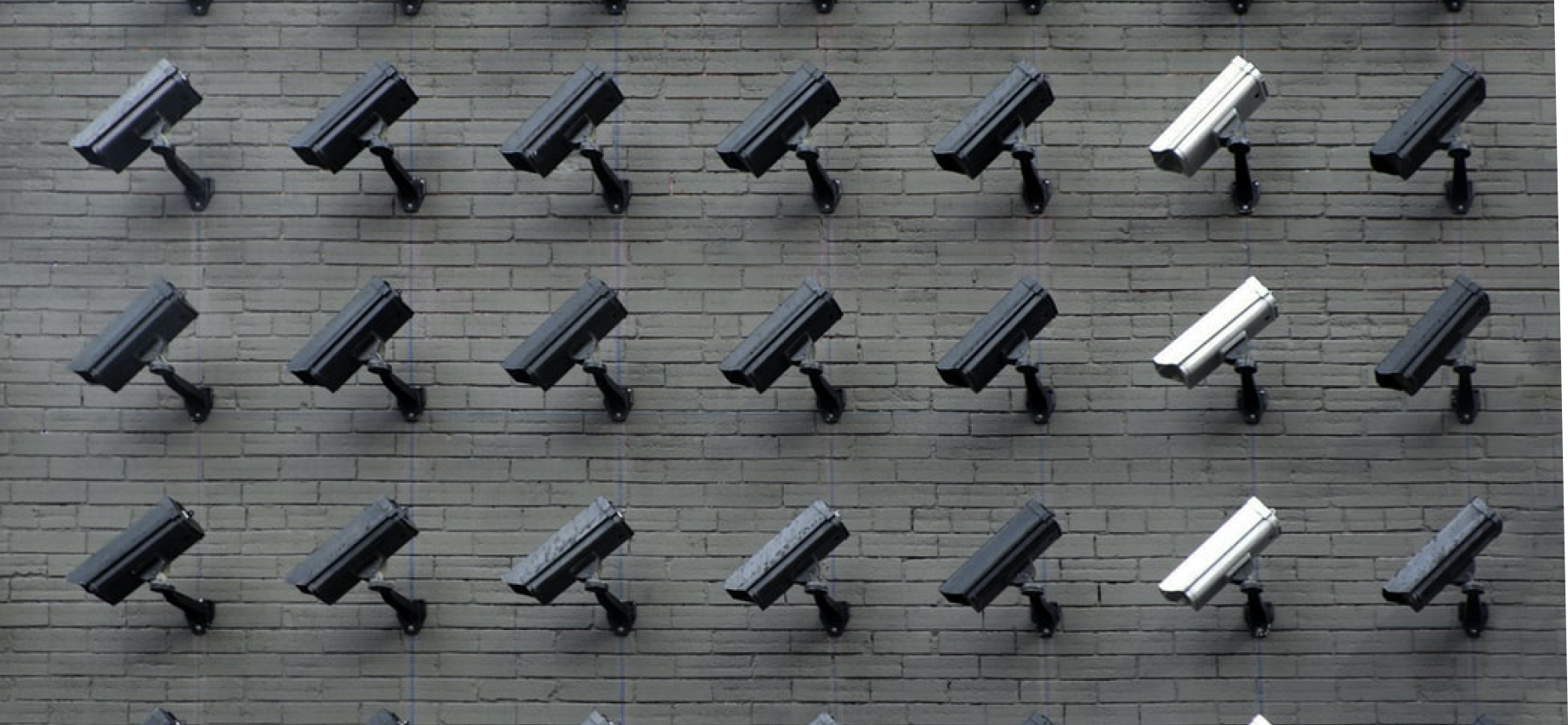
Bitcoin é frequentemente visto como uma moeda anônima usada por criminosos e hackers. Embora esse mito tenha sido desmascarado muitas vezes, ele ainda persiste. A verdade é que o Bitcoin é uma criptomoeda pseudônima. Embora nenhum nome ou identidade real esteja vinculado a endereços e transações, tudo isso pode ser visto através do livro-razão público que é a blockchain.
Embora os endereços de carteira alfanuméricos não revelem nenhuma informação privada, existem maneiras de conectá-los a identidades do mundo real, incluindo transmissores de transações de carteira que podem vincular seu endereço a um IP, e especialmente rampas de entrada e saída de fiat.
Blockchain: Um Problema Ou A Solução?
Quando alguém usa uma exchange centralizada para comprar ou vender cripto por fiat, terá que passar por um processo de KYC (Conheça Seu Cliente), que revelará sua identidade. Em alguns aspectos, Bitcoin e outras blockchains públicas não são adequadas para lavagem de dinheiro e outras atividades maliciosas. Criminosos ainda precisarão passar por corporações regulamentadas para sacar quaisquer fundos obtidos de forma ilícita ou gastá-los em itens do mundo real.
Em resumo, o Bitcoin é na verdade uma alternativa muito melhor quando se trata de aplicação de leis contra lavagem de dinheiro em comparação com bancos privados ou dinheiro vivo. Tanto que, o ex-Diretor Interino da CIA, Mitchell Morell, revelou que as criptomoedas representaram menos de 1% de todas as atividades financeiras ilícitas entre 2017 e 2020. Neste relatório, ele menciona que atividades ilícitas com dinheiro fiat representam impressionantes 2 a 4% do PIB dos EUA.
Privacidade e Segurança do Usuário
Por outro lado, a pseudo-anonimidade torna os usuários vulneráveis a atores maliciosos. Ao receber um pagamento, os usuários precisam compartilhar seu endereço público de carteira, o que expõe a carteira, a transação e os fundos para o mundo inteiro, tornando indivíduos de alta renda um alvo para hackers e criminosos cautelosos.
Um ator espião aleatório pode monitorar carteiras e transações, e pode elaborar um plano de ataque se alguma falha de segurança for descoberta. Isso se torna ainda mais perigoso quando se considera o potencial de vazamentos de dados em exchanges ou carteiras de terceiros, que podem permitir que atores nefastos vinculem uma carteira a uma I.D., número de seguro social e mais.
A natureza pública e pseudônima da blockchain é uma espada de dois gumes. Ela torna os usuários vulneráveis a ataques, vazamentos e outros problemas. Tradicionalmente, bancos e governos mantêm seus livros-razão centralizados privados, o que significa que é necessário confiar nas entidades mencionadas para permanecerem honestas e garantir a segurança e liquidez dos fundos.
Dinheiro Para O Povo
Chamada para ação! Como eu disse anteriormente, esquemas de lavagem de dinheiro existiam antes do Bitcoin e mesmo agora representam até 1% do uso total em cripto. Quando os reguladores estão de olho no livro-razão público, com a ajuda de exchanges KYC, eles ainda podem saber o que você está fazendo. De certa forma, você pode achar que isso é aceitável porque os governos devem prevenir a circulação de dinheiro sujo para parar atividades ilegais. Nós também achamos que isso é aceitável! No entanto, até agora, eles estavam acompanhando de perto contas bancárias pessoais e a única coisa que impediram foi que usuários individuais usassem seus fundos livremente. Grandes corporações podem continuar contornando a legislação para evadir impostos e maus atores usam esquemas globais de lavagem de dinheiro para continuar utilizando dinheiro sujo. O que os governos fazem é manter um olhar atento sobre os cidadãos, vendo-os como potenciais lavadores de dinheiro. Como isso soa?
Os argumentos de FUD (Medo, Incerteza, Dúvida) sobre Bitcoin feitos pelos reguladores contavam principalmente com a ideia de Bitcoin como um dinheiro privado, anônimo, incontrolável e imparável. Sabemos que esses casos não são verdadeiros, vimos que o dinheiro vivo era a principal ferramenta de lavagem de dinheiro e carteiras de blockchain são rastreáveis. Quando você retira seu dinheiro para sua conta bancária, os governos sabem o que você estava fazendo com sua carteira não custodial. O único caso é que você está no controle de seus próprios fundos, e não está usando dinheiro fiat “legal” controlado por bancos centrais. Isso torna os governos impotentes em um estado global porque eles não podem dizer o que você deve fazer com seus fundos ou não podem banir sua conta quando detectam uma atividade inesperada.
O que resta é que eles podem questioná-lo sobre de onde você obteve o dinheiro que retirou para sua conta bancária central para pagar suas contas e fazer compras, etc. Além disso, eles não podem banir sua conta, por exemplo, quando você não pagou suas dívidas, mas deixe-me perguntar novamente: Esses poderes impediram atividades financeiras ilícitas ou evitaram que grandes jogadores contraíssem dívidas delirantes e falissem? A resposta é não, atividades financeiras ilícitas continuam acontecendo em outros lugares e instituições podem contar com o argumento de “grande demais para falir” com a esperança de resgates quando precisam deles.
Aumentando a Privacidade e Anonimato
Para a proteção dos indivíduos, temos cadeias privadas ou aplicativos de ‘CoinJoin’ (coinmixer) que tornam as carteiras dos usuários não rastreáveis. Como eu disse, isso não significa que um usuário pode lavar dinheiro porque toda atividade financeira on-chain deve terminar com uma fase de “integração”, o que significa retirar fundos para o mundo real, off-chain. Se você pode provar que a custódia de seus fundos não esteve envolvida em nenhuma atividade financeira ilícita, você não deve ser impedido de usar ferramentas que aumentam a privacidade para se proteger no mundo on-chain. Você detém suas chaves, você detém suas moedas ou, em uma frase inversa - não suas chaves, não suas moedas. Isso também inclui carteiras de exchanges custodiais porque em exchanges centralizadas isso não é diferente de usar um banco. Você não está em cripto se usar apenas exchanges centralizadas, elas podem rastreá-lo, impedi-lo ou, na pior das hipóteses, podem roubar suas moedas (scams de saída).
É por isso que os protocolos de finanças descentralizadas estão entrando em sua era de ouro agora. Você não precisa abrir mão da custódia de seus fundos para usar aplicações financeiras. Exchanges descentralizadas estão se tornando mais eficientes e operações cross-chain estão se tornando mais fortes ao apoiar toda a criptoesfera com uma única carteira não custodial. Serviços de mistura de moedas não dependem de empresas custodiais, eles estão trabalhando com provas de conhecimento zero. Aplicações descentralizadas estão brilhando em um mundo financeiro tradicionalmente controlado e apoiado pelo governo. Uma nova história está diante de nós e estamos apenas vendo a ponta do iceberg. O futuro é muito empolgante nesse sentido: Bancar os desbancarizados com aplicações descentralizadas, dando poder ao povo, drenando os direitos de seigniorage dos governos e prevenindo resgates de instituições “grande demais para falir” pela impressão infinita de dinheiro - ou como é chamado na literatura financeira sofisticada - por afrouxamento quantitativo.
A Ergo Blockchain fornece um serviço de coinjoin não custodial, o ErgoMixer, como um dApp. Ele basicamente protege você de agentes espiões na esfera da blockchain. É perfeitamente seguro com seu código aberto para que você saiba com o que está interagindo. Para mais informações, a Ergo Blockchain é uma rede poderosa e suporta serviços de Camada 2 em cima dela, para que qualquer um possa criar cadeias laterais privadas para usar a blockchain de forma segura. Forneceremos mais atualizações sobre os detalhes exatos do ErgoMixer mais tarde e novos desenvolvimentos em serviços de Camada 2 e dApps focados em privacidade em breve florescerão com novos desenvolvedores se juntando.
Ergo Blockchain não foi construída para governos ou instituições, foi construída para pessoas por pessoas.
Share post
13 de agosto de 2025
12 de agosto de 2025

9 de julho de 2025
12 de maio de 2025



7 de abril de 2022



8 de março de 2022